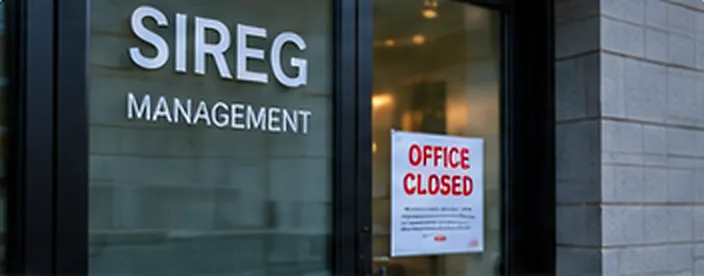
A single court case for all the former SIREG buildings sounds cheaper and simpler. The lawyers acting for a group of owners say it would cause more problems than it solves. David Di Lella of Levitt Di Lella Duggan & Chaplick LLP (LDDC) gave his reasons, and answered other common questions, on October 8, 2026, and allowed his answers to be shared.
One application per building: the reasons
- Separate legal entities. Each condo corporation stands on its own, with its own owners, its own interests, its own evidence and its own costs to recover.
- Different courts. Buildings in different municipalities may have to be heard in different court locations.
- After the order. An administrator keeps reporting to the court. With one combined case, every report on one building would go to owners of all the others, along with that building's confidential financial details.
The cost per building
- LDDC's fee: reduced to $35,000 plus HST and disbursements per corporation. That figure already counts on sharing work between buildings.
- The administrator: Brian Antman, the proposed administrator, bills $375 an hour. Tasks that help several buildings are split among them.
Do later buildings get a discount?
No. Charging later buildings less would, in LDDC's view, be unfair to those who paid first. The lower fee is the firm's answer to cost worries.
An option for smaller buildings
If every director has resigned, owners can call their own meeting and elect a board. LDDC warned of two limits:
- You must know exactly who every owner is, or the notice may be invalid.
- Expect at least three weeks to call and hold it. Some buildings cannot safely go that long with nobody in charge.
Who pays in the end?
The plan is to ask the court to make each corporation pay for its own application. The corporation can then try to get that money back from SIREG and its directors personally.